Greece for First-Timers: 30 Blunders to Avoid (And How to Actually Enjoy Yourself)
Planning your first trip to Greece? Kalimera and Welcome!
Greece is one of the world’s most extraordinary destinations. A place where ancient history meets modern chaos, postcard villages meet rugged mountains, and island dreams meet ferry delays.
As a Greece-based, family-owned travel company, The Greek Taxi has seen everything: the smart, the unprepared, the adventurous, the sunburnt.
Let’s be brutally honest. You’ve booked your dream trip to Greece. Your camera roll is prepped for white-washed villages, turquoise waters, and you practicing your best “Opa!” face. But between that Instagram fantasy and reality lies a gauntlet of classic tourist traps, logistical face-palms, and cultural faux pas that can turn a paradise trip into a puzzling ordeal.
Fear not. We have compiled a fun, solid and very honest and practical guide to help you avoid the most common tourist mistakes and mismatches when visiting Greece. Consider this your friendly, slightly sarcastic, intervention from the front lines. We’re not here to sell you postcards; we’re here to arm you with the truth. Avoid these 30 mismatches, and you won’t just visit Greece, you’ll navigate it like a seasoned local.
Whether you’re coming for your honeymoon, a family escape or a bucket-list adventure, here’s how to get it right the first time.
1. Limiting Your Trip Only to Tourist Islands – The “Postcard-Only” Itinerary
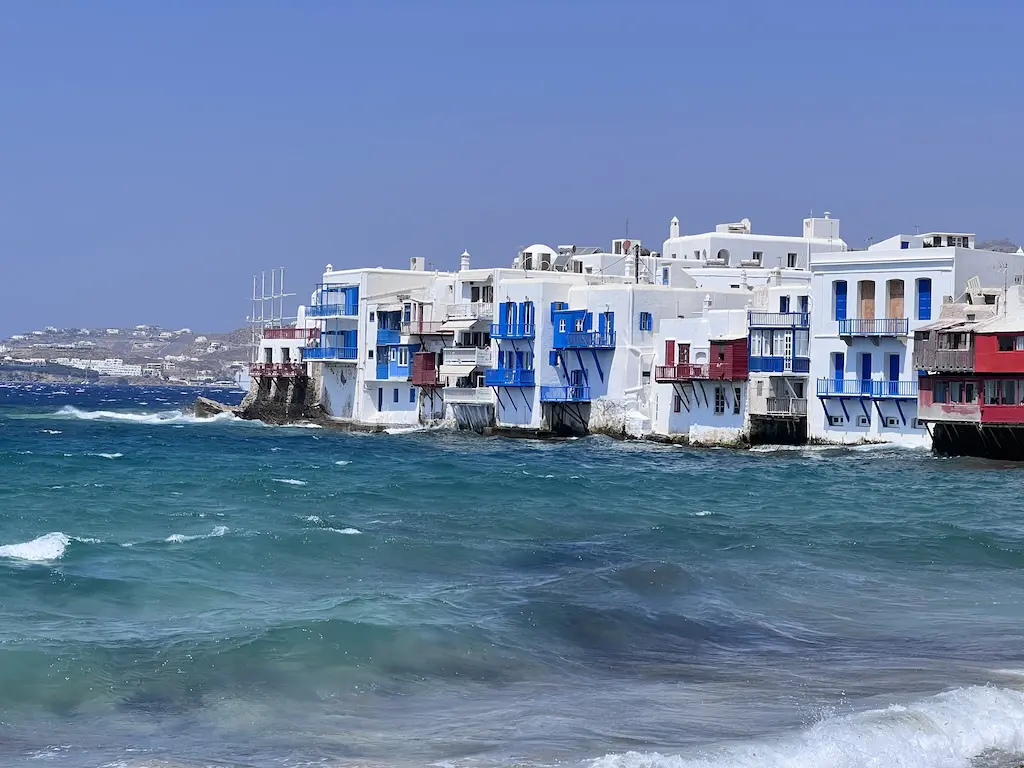
Mykonos, Santorini, Corfu and Rhodes are beautiful BUT they’re not the whole story. Greece has 6,000 islands and islets, only 227 inhabited. Step beyond the BIG-4 and discover destinations where locals outnumber selfie sticks.
2. Trying to “See All of Greece” in One Week or The Mythical Greek Islands Hopping
You can’t. Not even close. In 10 days, you’ll barely scratch the surface of the mainland, let alone “all the islands.” Even Greeks haven’t visited them all, so relax, slow down, and enjoy fewer places, more deeply. Trying to “see the islands” in a week is like trying to eat a watermelon in one bite; messy and ultimately unsatisfying. Pick one archipelago (e.g., a few Cycladic islands) or a chunk of the mainland and explore it. Then, come visit next year 😉
3. Visiting Outside the Real Season or Arriving When Greece is Asleep (Or Packed Like Sardines)
Greece transforms dramatically with the seasons. July–August brings heat and crowds; May–June and September–October offer elegance, space, and perfect weather. First-time visitors often arrive at the wrong time for the experience they envision. Tailored planning ensures the season matches your travel style.
Most island destinations wake up after Greek Orthodox Easter (mid-April or early May) and wind down around the Ohi Day (28th of October). Outside these dates, expect fewer ferries, few open restaurants, limited hotel availability and much less nightlife. Yet, coming in August, be prepared to share that sunset view with a cruise ship armada.
4. Underestimating the Greek Sun – Treating it Like a Friendly Lamp
Greek sun is not “strong”. It’s a beast. That gorgeous, reflective white architecture? It’s doubling the sun’s attack on your unsuspecting forehead.
A hat, sunglasses, and high-SPF sunscreen are not summer accessories; they are essential survival gear. Otherwise, you’ll be walking around looking like a tomato dipped in olive oil.

5. Misjudging Distances – Island Hopping is NOT Seamless
Greek islands are not next to each other. Ferries are not commuter trains. Ferry schedules are almost written in pencil, with a fondness for erasers, especially when the Meltemi wind decides to party in August.
Expect long travel times some days, weather delays and occasional cancellations. Always add buffer days, allow some patience and don’t plan island hopping like it’s a pub crawl.
Remember: Never, ever book a tight flight connection after a ferry. Thank me later 😉
6. Expecting Blue Domes Everywhere
The famous blue domes are in Santorini, full stop. They’re stunning AND crowded. Expect queues, influencers, drones, and the occasional fight for the perfect sunset spot. Expecting them on Zakynthos or Skiathos is like expecting a geyser in the Sahara. Each island has its own architectural hairstyle; appreciate it for what it is.
7. Not Pre-Booking Private Transfers – The Taxi Lottery (A Game You Always Lose)
In Greece, book your transfers in advance with fixed pricing especially from airports and ports. Hailing a cab at the Athens Airport or the port of Piraeus without a fixed price is an invitation for “creative” pricing. If you must use a street taxi, the moment you get in, utter the magic phrase: “Meter, parakalo?” (The meter, please?). If they refuse, get out. It’s not rude; it’s smart. Your wallet will thank you.

8. Trusting Pedestrian Crossings Like You’re in Scandinavia & Underestimating Two Wheels
Pedestrian crossings in Greece are.. decorative, not traffic law. Cars will not stop unless a traffic light forces them. And beware of motorbikes zipping past. The helmets are mandatory, even if half the drivers treat them as optional fashion accessories or your rental guy says “it’s optional.” He is lying.
9. Picking Olives Straight off the Tree – Olives are Not Apples
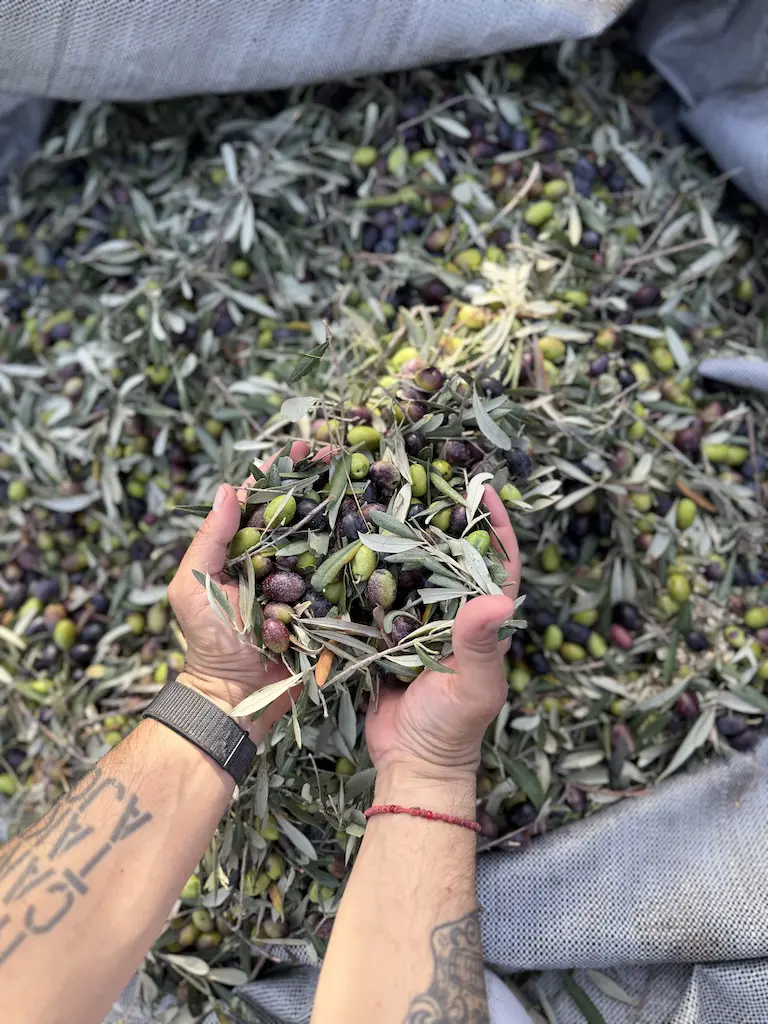
Fresh olives are unbearably bitter like a soap. They need curing. The harvest starts around October and it is a ritual for most Greeks. For the real experience, book an olive oil experience and visit a local mill. Learn how they’re cured. Then, enjoy them marinated in oil and herbs, like a true Greek.
10. Choosing Ouzo Over Tsipouro
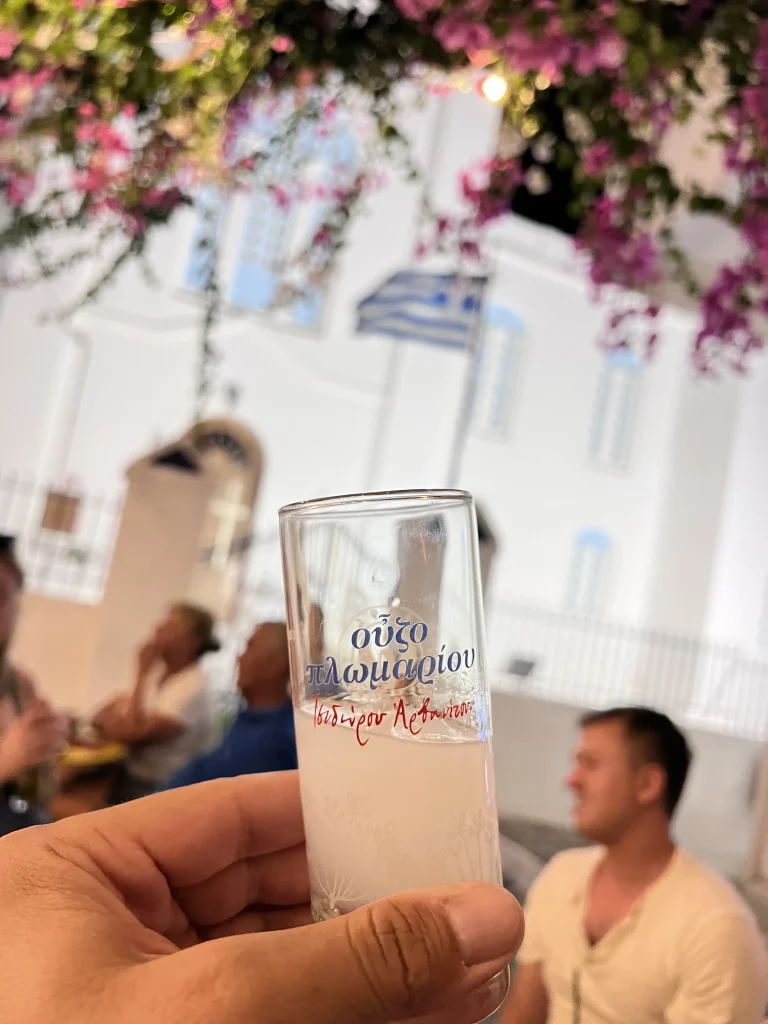
Ouzo is famous. Tsipouro is king. Different distillation, different ingredients, different taste, different hangover. Ouzo is the anise-flavoured tourist darling. Tsipouro (or Raki in Crete) is the clear, fiery spirit that fuels local conversations. They are as different as whisky and vodka. Ask for tsipouro at a taverna. You’ll get a nod of respect, a small bottle, and a glass of ice water. Sip it. Embrace the burn. Repeat.
11. Worrying About Sharks or Currents in the Mediterranean
The Mediterranean Sea is calm, warm and generally safe to swim like a serene bathtub. No big sharks, no extreme currents, just pure bliss. The only thing you need to fear is a rogue sea urchin (wear water shoes)!!!
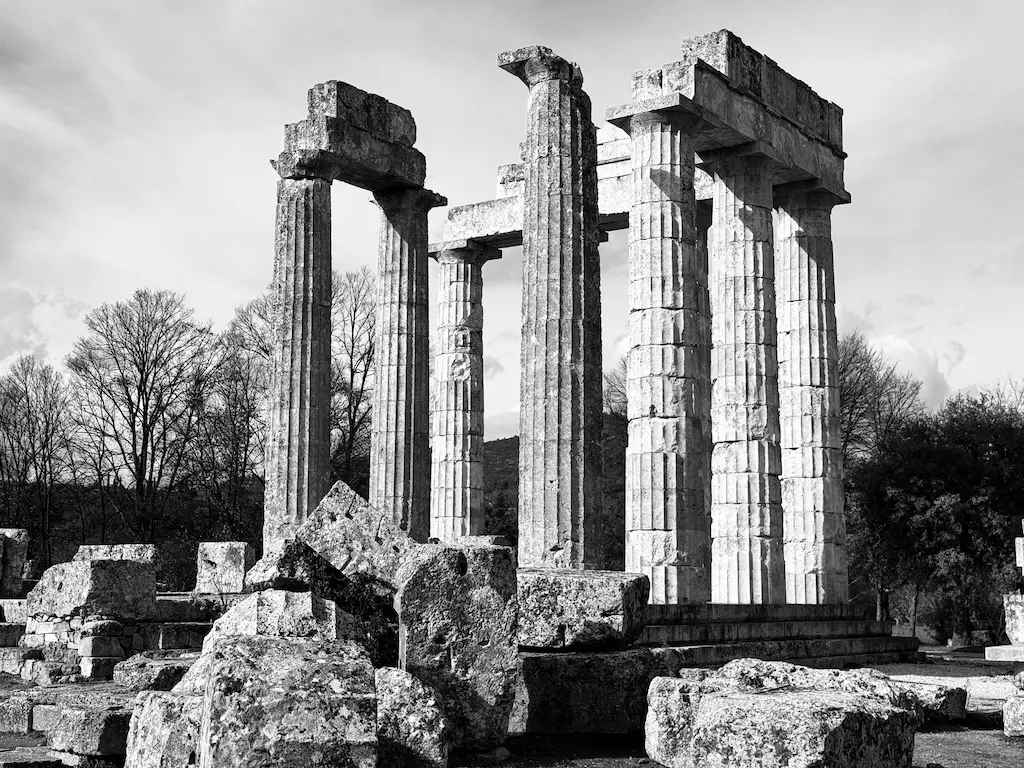
12. Thinking Ancient Sites Grow Underground
No, ancient temples weren’t buried on purpose. Time, earthquakes, wars and layers of history did the job. Greece is one huge archaeological onion. Respect the ropes!
13. Ignoring Name Days – A Bigger Deal Than Birthdays
In Greece, name days often matter more than birthdays. If your host celebrates, expect food, drinks, and endless “Chronia Polla!” (Many years or Long Life!). If your friend is named Maria, Yiannis, or Dimitris, their Saint’s day is their real party. It’s a cultural hack that earns you immediate “insider” points.
14. Forgetting Santorini Is an Active Volcano (with a View)
Santorini isn’t just an island. It’s a massive underwater crater. Your hotel view? Perched above an active volcano. You are literally on the rim of the planet’s largest underwater active volcanic caldera. It’s humbling, beautiful, dramatic, spectacular, and a fantastic dinner conversation starter. Enjoy at your own risk!
15. Believing “Greece” Is the Country’s Real Name
Officially, the country is Hellas (Ellada) and Greeks are Hellenes (Ellines). We allow Greece because it’s simpler and looks great on tote bags. Knowing our proper name is a sign of respect we deeply appreciate.
16. Not Realising Greece Is Mostly Mountains
Despite its island fame, 70% of Greece is mountainous and has one of Europe’s most rugged landscapes. Coastline and peaks within hours? Yes, please. Pack some solid shoes. Yet, Greece boasts one of the world’s longest coastlines with almost 6000 islands, islets and pensinulas.
17. Assuming the Acropolis Is the Oldest Part of Greek History – Parthenon is NOT old
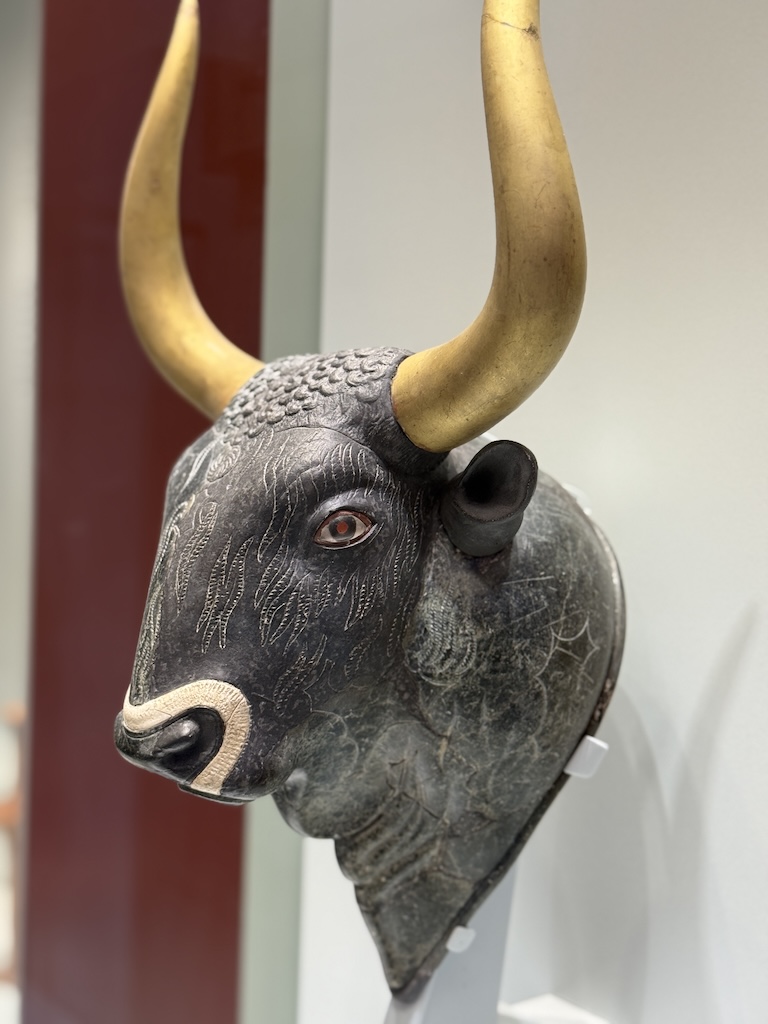
The Acropolis is iconic (5th century BC). Yet, Minoan Palace of Knossos in Crete (2nd millennium BC) beats it by centuries. Europe’s first advanced civilization flourished long before the Ancient City of Athens ruled the world. Deepen your historical perspective before setting foot.
18. Not Checking Opening Hours – Assuming “Open” Means “Open”
Museums, shops, post offices. Welcome to Greece, where schedules are a gentle suggestion and can change due to strikes (apergia), public holidays, siesta, because Yiannis boat came late or simply “because.” Always triple-check before you go. Trust nothing!
19. Booking Activities Through Platforms Like Viator, GetYourGuide and AirBnB Experiences & Feeding the Giant Tour Platform Beast
These giants take high commissions, meaning you either pay more or the local business loses income. ~30% of your fee goes to a foreign conglomerate, not the local family running the boat during the summer. Find the operator’s own website or phone number. Last resort book through the hotel. There is a good chance they are cousins.
Your experience will be better, cheaper, and you’ll keep money in the community. Always support local, family-owned companies when in Greece. You’ll get better value and real Greek hospitality. Book directly.
20. Eating Hotel Breakfast Every Day
Unless the hotel sources local ingredients, skip it. Instead, walk into a bakery or a pastry shop (tyropitadiko). For a few euros, you’ll get a warm spanakopita (spinach pie) tyropita (cheese pie), bougatsa or crispy koulouri (sesame ring) that tastes like happiness. The magic lives there. That’s where the real Greece gets breakfast.
21. Assuming Greeks Don’t Speak English
Most Greeks under 50 speak very decent English. But bellowing a confident “KALIMERA!” (Good morning) and muttering a grateful “Efharisto” (thank you) is like a social superglue. We adore the effort. And love to see you struggling. It’s the quickest way to a smile. Instant respect.
22. Avoiding Politics or Gossip (Our National Hobbies)
Greek table talk means food, politics, gossip and backgammon. We live to debate politics and dissect the latest village drama. Don’t shy away. Pick a side. Any side! Gesture wildly, and enjoy the drama. You’ll fit right in. It’s how we bond.
23. Flushing Toilet Paper – The Great Debate
Here is the sacred rule: DO NOT FLUSH THE PAPER. Don’t do it. The pipes are ancient and delicate. If there’s a small bin next to the toilet, that’s where the waste goes. Yes, it seems odd and gross. Do it anyway. It’s the law of the land (and the only thing keeping the plumbing apocalypse at bay).
24. Expecting Fast Restaurant Service like You Are in the United States
In Greece, rushing you out is considered rude. Dining is a ceremony of leisure. Your server will not hover, rush your plates away, or slap down the bill. That’s considered the height of bad hospitality. Ask for the bill when you’re ready. Otherwise, you may sit there forever enjoying the ambiance.
To signal you’re done, you must ask for “to logariasmo, parakalo.” Then, and only then, will the transaction happen. If the POS is “broken”, be prepared to pay with cash. Relax. You’re on Greek time.
25. Expecting Smoke-Free Spaces Everywhere
We have anti-smoking laws. We also have Greeks. Enforcement is.. philosophical. Especially in outdoor spaces like the ferries, expect cigarette smoke. It’s a stubborn habit. If it bothers you, sit indoors in larger establishments or strategically place yourself upwind. Consider it part of the cultural immersion. Our apologies in advance.
26. Asking Where to “Break Plates”
That tradition died in the late 90s. If you see it, it’s 100%, a staged show for tourists. The only thing you should smash is your empty tsipouro glass on the table (gently) for a refill. Today’s Greeks prefer dancing, wine, and a good time without destroying tableware. Too expensive!
27. Not Tipping
Tipping isn’t mandatory by law but is highly appreciated and it is a vital part of the social and economic fabric. Tourism is seasonal, excellent service is pretty much standard and these tips feed families over the winter. For good service, round up the bill or leave 5-10%. Consider it gratitude rather than obligation. It’s not just money; it’s a “thank you” that matters.
28. Expecting Greece to Be Cheap
Greece is not a bargain basement. Greece was affordable once. Now, it’s a modern European country. Prices reflect quality, location, authenticity and season. Expect value, not bargains everywhere. Budget like you’re visiting another European destination, because you are.
That said, Greece rewards the curious traveller. Hidden gems, tucked-away tavernas, boutique hotels, and secret beaches can still offer incredible experiences at fair prices. Yet, you’ll find them off the beaten path, not on the main tourist strip.
29. Drinking Tap Water Without Checking
Tap water is safe in many places, but not everywhere. In Athens, drink up. On many islands, the tap water is desalinated and not delicious.
Always buy bottled water from grocery shops (not kiosks), and never pay more than €0.50 for 500ml or €1 for 1.5L. Carry small change and pretend you know what you’re doing. Hand over the exact change with the confidence of a local. They’ll know you’re not a rookie. Works like a charm and pisses them off.
30. Assuming Greek Coffee Is a Greek Invention
What you call Greek coffee is also Turkish or Arabic coffee. It’s a shared heritage. But where we truly innovated is in the realm of iced coffee. We invented the Frappé (shaken instant coffee, a national treasure) and the Freddo Espresso/Cappuccino (the perfect iced pick-me-up). Order these. Forget Starbucks. You’re welcome, world.
Final Thoughts
Greece is magical, unpredictable, emotional, delicious, chaotic, and unforgettable. Exactly why millions fall in love with it every year despite these 30 common mistakes & cultural mismatches that you have to avoid. Greece is not a country you visit. It’s a country you experience.
Come prepared, ditch the clichés, engage with the real rhythm of the place and you’ll experience the real Greece, beyond postcards and guidebook clichés with good company, good food, good humour, and absolutely no rush.
If you need expert trip design, Athens Airport private transfers, chauffeur services or bespoke tours across Greece, The Greek Taxi is here to welcome you with genuine hospitality, zero stress, and 5-star service.
See you in Greece—Efharisto! 🇬🇷



0 Comments